🎯 Indoor & Outdoor Ranges Covered

Specialized Insurance for
Gun Ranges & Shooting Facilities

Standard GL policies exclude firearms operations. Shooting ranges need specialized liability coverage that addresses ricochet claims, lead dust exposure, noise-induced hearing loss, and range-specific property risks. We place coverage with carriers who actually understand the range industry.

All 50 States Quotes in 24 Hours A-Rated Carriers Specialized Range Forms
50
States Served
A+
Carriers Who Understand Range Operations
7+
Specialized Range Liability Forms Available
24h
Average Quote Turnaround

Built for Every Type of
Shooting Facility

Whether you run a 10-lane indoor pistol range or a multi-discipline outdoor club, your operation carries unique liability exposures that generic insurance won't cover. Here's who we insure.

🏢

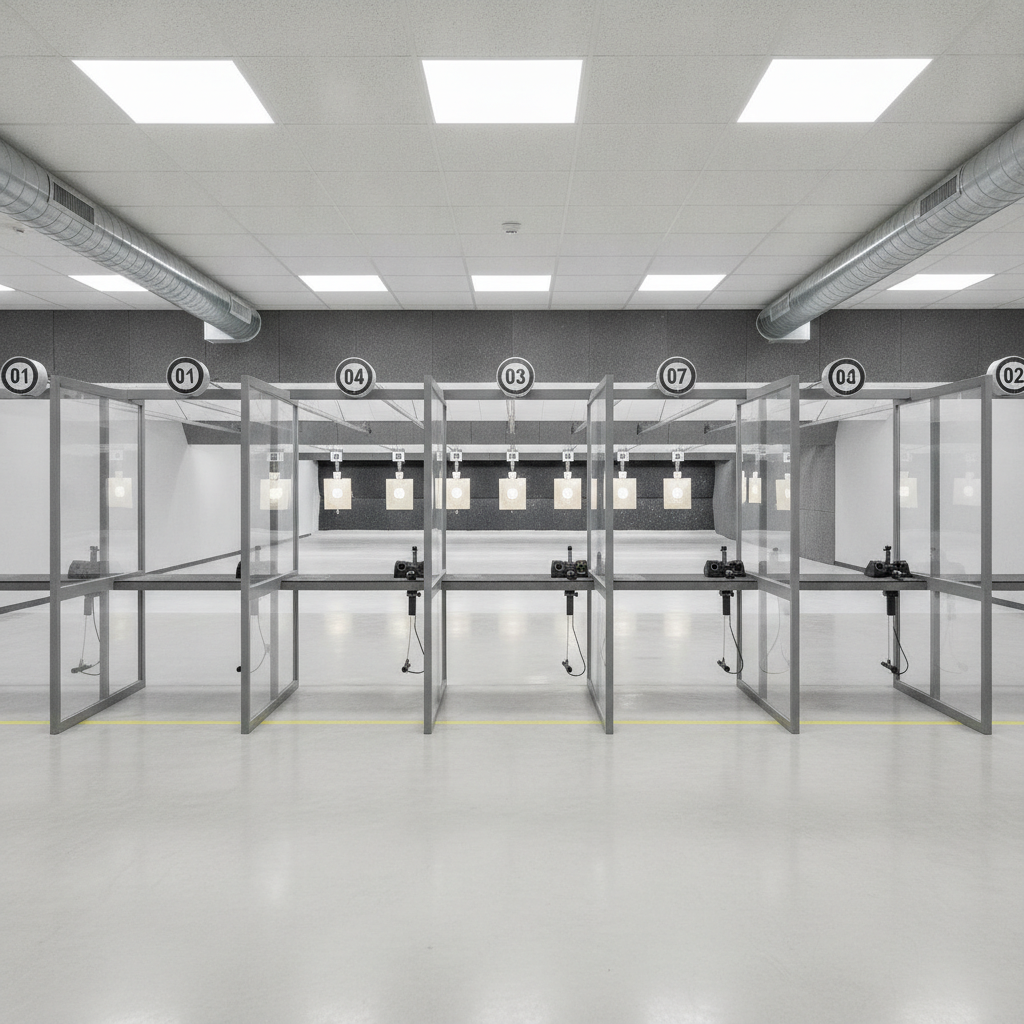
Indoor Shooting Ranges

High-density shooting environments with enclosed airspace, ventilation systems, and concentrated lead accumulation. Indoor ranges face unique lead dust, noise, and ricochet exposures.

🌲

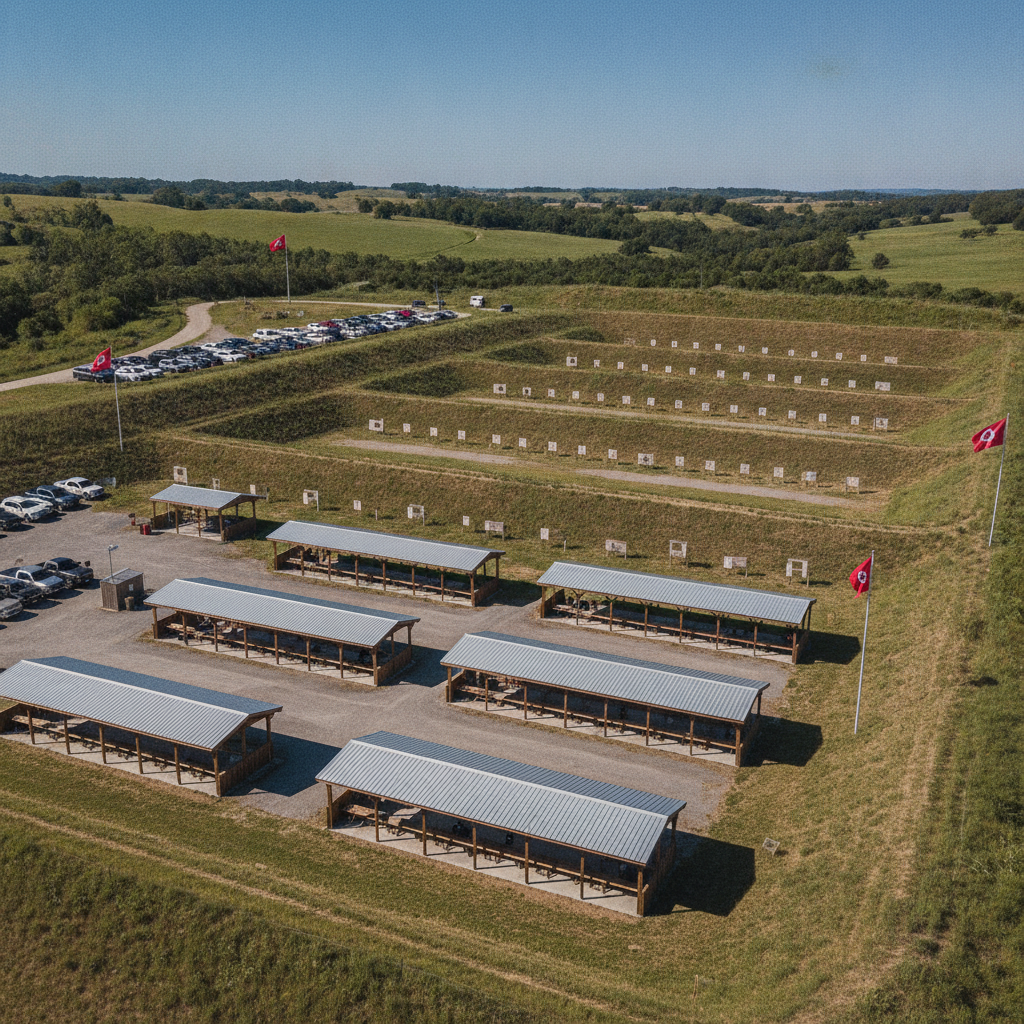
Outdoor Shooting Ranges

Ranges with berm management, projectile travel risks, environmental runoff, and neighbor noise liability. Outdoor operators face different but equally significant exposure.

🎯

Gun Clubs & Member Ranges

Member-operated clubs with multiple shooters, guest policies, and organized shooting events. Membership structures create unique liability relationships with attendees.

🎓

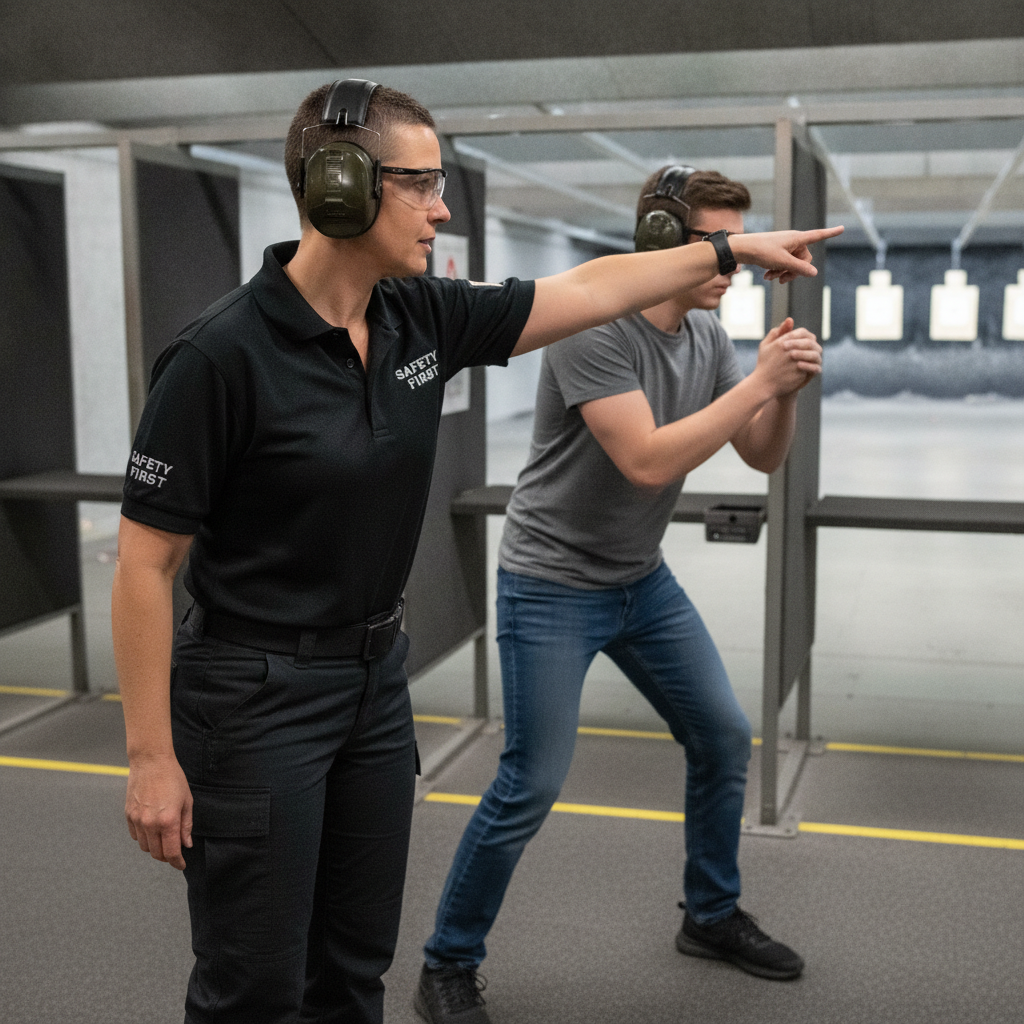
Firearms Training Centers

Operations offering paid instruction, CCW courses, self-defense classes, and firearms safety programs. Instruction liability requires explicit coverage under your range policy.

🔧

Ranges with Retail & Gunsmithing

Combined range and firearms retail or gunsmithing operations. Products liability for firearms sold or serviced, plus range GL — two exposures that must work together.

Tactical & Competition Facilities

Ranges hosting 3-gun, IPSC, USPSA, or law enforcement/military training. Dynamic shooting environments require broader coverage for competition-related incidents.

🛡️

Law Enforcement & Military Ranges

Facilities providing contract training for police departments, military units, or security firms. Institutional training contracts require specific policy endorsements and higher limits.

What Gets Covered

A full protection stack built for shooting range operators — from range-specific liability to lead pollution to workers' comp for range safety officers.

🎯

General Liability — Range-Specific

Standard GL won't cut it. You need a form that explicitly covers firearms range operations — including bodily injury from firearm discharge, ammunition, and range equipment.

  • Customer injury from ricochet or fragment
  • Bystander and spectator bodily injury
  • Property damage claims from range operations
  • Advertising and personal injury liability
  • Defense costs even for meritless claims
⚠️

Shooting Range Liability

Range-specific endorsements addressing the exposures that standard GL explicitly excludes — the unique risks of operating a live-fire environment.

  • Noise-induced hearing loss claims
  • Lead dust and heavy metal exposure
  • Ricochet and bullet fragment injuries
  • Improper lane barrier or backstop failure
  • Range safety officer liability
🔒

Products & Completed Operations

If your range sells ammunition, accessories, or firearms — or rents guns to customers — you carry products liability exposure that requires its own coverage.

  • Ammunition sold or rented at range
  • Firearms rented to customers
  • Accessories and range gear sold
  • Completed gunsmithing work claims
  • Manufacturer defect pass-through claims
🏗️

Commercial Property

Your range facility, target systems, ventilation equipment, and firearms inventory represent significant capital investment. Commercial property covers what standard homeowner's won't.

  • Range building and structures
  • Shooting lanes and target equipment
  • Ventilation and lead removal systems
  • Firearms inventory and displays
  • Business income interruption
👷

Workers' Compensation

Required in most states. Range safety officers, retail staff, and range technicians face lead exposure and occupational injury risks that require proper workers' comp coverage.

  • Range safety officer injuries
  • Lead and heavy metal exposure claims
  • Hearing loss from range noise
  • Retail and gunsmithing staff injuries
  • State-mandated coverage requirements
☂️

Umbrella / Excess Liability

A serious injury at a shooting range can easily reach seven figures. Umbrella coverage extends your primary limits when a claim exceeds your GL or range liability policy.

  • Catastrophic injury claims
  • Multi-claimant incidents
  • Stacks over GL, auto, and employers liability
  • $1M–$10M limits available
  • Required by many range landlords and lenders
🚨

Assault & Battery Coverage

Ranges with alcohol service or open-carry environments face A&B exposure. Standard GL typically excludes intentional acts — assault and battery coverage fills this gap.

  • Physical altercations on range property
  • Intentional discharge incidents
  • Bar or lounge area incidents (if applicable)
  • Third-party injury from patron conduct
  • Defense and settlement coverage

What a Claim Actually
Looks Like

💡 Example Claim

The Ricochet Eye Injury at an Indoor Range

A customer at a 14-lane indoor pistol range is shooting steel targets in lane 7. A fragment from a steel plate deflects at an unusual angle, passes through a gap in the lane divider, and strikes the shooter in the adjacent lane — causing a serious eye injury that requires surgery.

The injured customer sues the range for $425,000, claiming the lane barriers were improperly designed and that the range was negligent in permitting steel-target shooting without adequate divider protection between lanes.

Without specialized range GL: A standard GL policy with a firearms exclusion denies the claim entirely. The range owner faces the full $425,000 plus six-figure defense costs out of pocket.
With specialized range GL: The insurer defends the claim, engages an expert witness on range design standards, and negotiates a settlement. The range owner pays only the deductible — and stays in business.

Get the right coverage before this happens to you →

We Know the Shooting
Range Industry

Most generalist brokers don't know the difference between a firearms exclusion and a range-specific GL form. We place shooting range insurance regularly and work with carriers who have actual appetite for this class of business.

01

Range-Specific Carrier Access

We work with carriers that have dedicated shooting range programs — not brokers who slap a firearms operation onto a generic commercial GL form that won't respond to range claims.

02

Lead & Pollution Coverage Verified

Lead contamination is classified as a pollutant and excluded under most standard policies. We confirm your policy explicitly covers lead dust and heavy metal exposure before you sign.

03

All 50 States, Fast Quotes

We're licensed nationally. Most shooting range quotes come back within one business day. Need a certificate of insurance to open or to satisfy a landlord requirement? We handle it fast.

04

Indoor & Outdoor Range Expertise

Indoor and outdoor ranges face different exposures. We understand both — from ventilation system liability to berm failure and projectile travel. Coverage is tailored to your actual operation.

05

Training & Retail Operations Covered

Many range policies exclude instruction and retail add-ons. We verify your policy covers every revenue line — firearms training, gunsmithing, retail, and range rentals — explicitly.

06

Talk to a Licensed Agent

You speak directly with a licensed professional who can answer real questions about your range's specific exposures — not a call center reading from a script about generic business liability.

Gun Range Insurance
Questions — Answered

The questions we hear most from shooting range operators, gun club managers, and firearms training professionals.

Standard GL policies almost always exclude or heavily restrict firearms-related operations. Shooting ranges need a specialized GL form that explicitly covers range operations — including bodily injury from ammunition, ricochet, and firearm handling. A generic BOP or GL policy bought online is unlikely to respond to a range claim. If your insurer can't provide the firearms range endorsement language in writing, assume it's excluded.
Yes, potentially. Range operators have a duty to maintain safe conditions — proper backstops, lane barriers, and target systems. If a customer or bystander is injured by a ricochet and the range is found negligent in maintaining those safety systems, you can face significant civil liability. Shooting range GL insurance covers your legal defense and any settlement or judgment arising from these incidents, including expert witness fees on range design standards.
Yes — and this is one of the most critical coverage questions for indoor ranges. Lead dust from ammunition is classified as a pollutant under many standard policies, meaning standard GL would exclude cleanup costs and bodily injury claims arising from lead exposure. Specialized range policies either include shooting range pollution coverage or you can add a standalone pollution liability endorsement. This covers lead cleanup costs after a range closure, employee occupational lead exposure claims, and third-party bodily injury from lead dust affecting customers or neighbors.
Most jurisdictions and commercial landlords require proof of general liability insurance before a range can open. Minimum requirements are typically $1M per occurrence / $2M aggregate, and building owners often require an additional insured endorsement naming them on your policy. Some municipalities also require proof of pollution liability for indoor ranges. We can typically bind coverage and issue a certificate of insurance within 24–48 hours of receiving a completed application — fast enough to meet pre-opening requirements.
Indoor ranges typically carry higher premiums due to enclosed airspace (lead dust accumulation), ventilation system liability, noise-induced hearing loss exposure, and higher shooter density in a confined space. Outdoor ranges face different exposures — projectile travel beyond the berm, environmental lead runoff, and neighbor noise complaints — with different but sometimes lower base rates. Both require specialized forms. Final rates depend on range size, number of lanes, annual revenue, services offered (rental, training, retail, gunsmithing), loss history, and safety program documentation.
It depends on your policy — and this is a common gap. Some range GL policies include firearms training as a covered operation; others exclude instruction liability entirely or require a specific paid endorsement. If you offer paid instruction — CCW classes, basic firearm safety, tactical training, or law enforcement qualification courses — make sure your policy explicitly covers firearms instruction liability. We verify this before placing your coverage and won't bind a policy that leaves instructor liability exposed.
Some carriers offer preferred pricing for ranges affiliated with the NRA Range Certification Program, NSSF (National Shooting Sports Foundation), SAAMI, or similar industry organizations. Documented range safety training programs, certified range safety officers on staff, and written range safety policies can also reduce your premium. When you submit your quote request, let us know your affiliations and certifications — we'll identify carriers that recognize them and factor them into your pricing.
Most range operators carry $1M–$2M in primary GL limits with a $1M–$5M commercial umbrella on top. High-volume ranges, ranges with alcohol service, and those offering tactical or law enforcement training should consider $5M–$10M in total liability limits. A serious firearms-related injury claim — catastrophic eye injury, permanent hearing loss, or a fatal accident — can easily reach seven figures between medical costs, lost income, and pain and suffering damages. Umbrella coverage is the most cost-effective way to extend your protection, typically adding $1M in coverage for a few hundred dollars annually above your primary premium.

Standard GL Won't Protect
Your Shooting Range

Don't find out at claim time that your policy excludes firearms operations. Get a specialized range insurance quote in 24 hours.

844-967-5247

Mon–Fri 8am–6pm CST  ·  Or submit a quote request anytime below